
The Weaponization of The Smiley Face...
There’s a particular kind of smiley face that has absolutely nothing to do with warmth.
You know the one.
The “Sounds good 🙂”
The “Appreciate the feedback 🙂”
The “Happy to discuss 🙂”
Meanwhile everyone involved can feel the tension radiating through the screen like a small electrical fire. It is the tension that comes from avoiding conflict.
Somewhere along the way, many of us learned that direct communication was dangerous. I know firsthand - recovering people pleaser here. I have hid behind the smiley face way too many times to admit.
So instead of saying:
“I’m frustrated.”
“That hurt.”
“I disagree.”
“I feel dismissed.”
“This isn’t working for me.”
… we add a smiley face to emotionally confusing messages and call it professionalism.
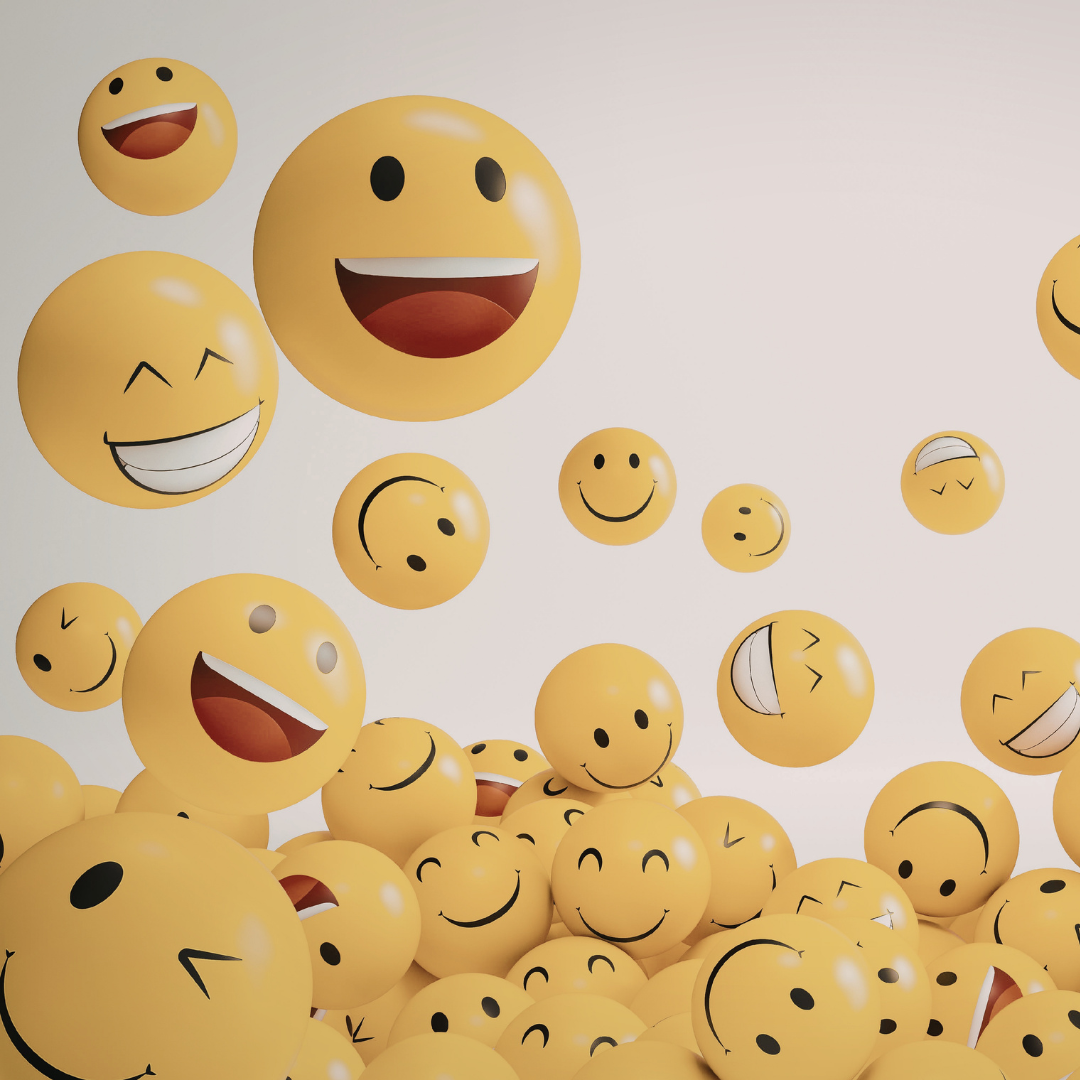
The problem is that this kind of passive aggression doesn’t reduce tension. It just drives it underground where it mutates into resentment, whisper networks, confusion, overthinking, and emotional exhaustion.
It makes me think of Kim Scott's framing of "Ruinous Empathy," in her "Radical Candor" model (love her work! check it out).
But what I know to be true because I see it and experience it every day is that
most people can feel the mismatch anyway. A forced smile — digitally or otherwise — is often an attempt to preserve connection without risking honesty. But it is lazy and cowardly.
Because real connection was never built on pretending everything is fine. Real connection is built on honesty.
Sometimes the kindest thing you can say is the clear thing without the smiley face.
(Note: If you catch yourself adding the smiley face to soften a blow or avoid speaking truth, ask yourself what might be gained by actually being straight in your communication. Maybe you would be doing everyone a favor).