
Why Play Matters Mote Than We Think
When we were children, play didn't need a purpose.
We built things because it was fun.
We sang because we felt like it.
We colored outside the lines and didn't worry about whether anyone would approve.
Somewhere along the way, many of us stopped playing.
We became adults.
Our calendars filled with meetings, responsibilities, and deadlines.
We began asking a different question.
"What's the point?"
If an activity didn't make us more productive, earn us money, or help us achieve a goal, it often slipped to the bottom of the list.
I've started to wonder what we've lost because of that.
Lately, I've been making more room for activities that have no professional purpose.
Voice lessons.
Painting.
Soon, Broadway theater camp.
None of them are things I need to do.
They're things I want to do.
And that simple distinction has been surprisingly important.
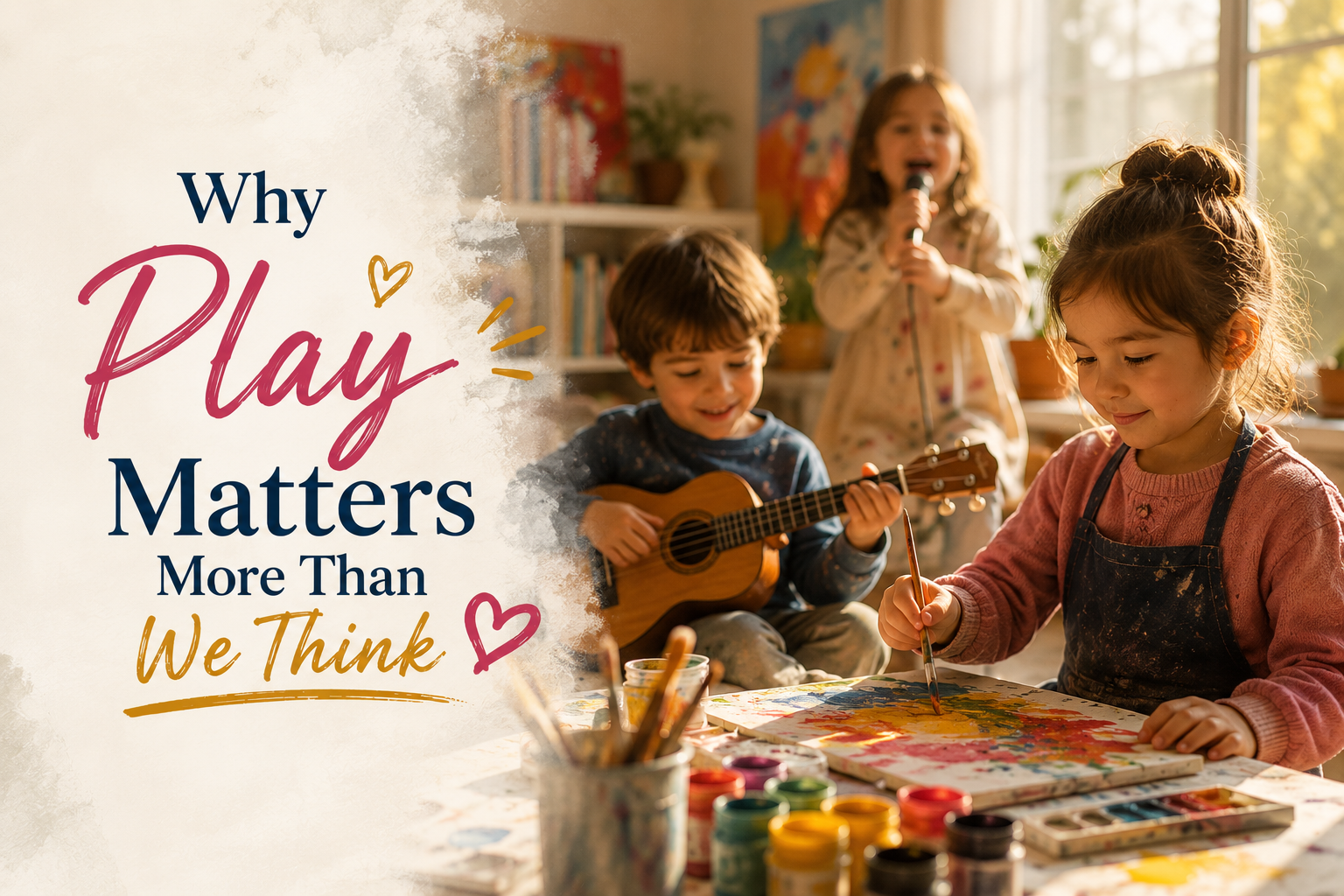
Play has a way of waking up parts of us that responsibility sometimes puts to sleep.
It reminds us to be curious.
To experiment.
To laugh at ourselves.
To enjoy the process instead of constantly measuring the outcome.
Ironically, I've found that making time to play hasn't made me less productive.
If anything, it's made me more energized, more creative, and more present in every other area of my life.
Perhaps play isn't the opposite of meaningful work.
Perhaps it's one of the things that makes meaningful work possible.
No matter our age, I don't think we're ever too old to make room for a little more joy.